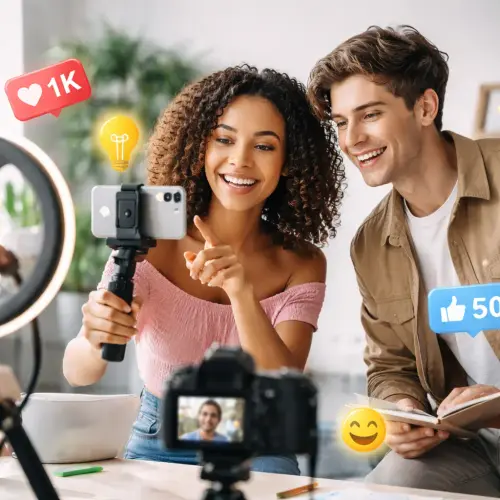
short-form videos Key Takeaways
Short-form videos continue to dominate social media in 2025, with platforms like TikTok, Instagram Reels, and YouTube Shorts driving record-high engagement.
- Short-form videos now account for over 70% of all social media consumption, making them essential for any modern content plan.
- Authentic, raw content outperforms polished ads — users crave real stories and behind-the-scenes moments.
- Cross-platform repurposing with platform-native tweaks saves time and grows reach faster than creating from scratch each time.

Why Short-Form Videos Still Dominate Social Media
The shift toward short-form videos isn’t a passing fad — it’s a fundamental change in how people consume content. Attention spans have shrunk, and platforms have optimized their algorithms to reward quick, engaging clips. Whether it’s a 15-second dance trend or a quick recipe hack, these videos fit seamlessly into scrolling habits.
One of the biggest drivers of this trend is the algorithm itself. Social media trends show that platforms prioritize content that keeps users on the app longer. Short, entertaining videos do exactly that, creating a loop where creators produce more, users watch more, and the algorithm rewards everyone involved. In 2025, this dynamic is stronger than ever. For a related guide, see Social Media Trends for Modern Brands in 2026: What Really Matters Now.
Another reason is the low barrier to entry. Anyone with a smartphone can create a short-form video that reaches millions. This democratization of content has shifted power away from big studios and toward everyday creators, making the feed feel more authentic and relatable.
Current Social Media Trends Shaping Short-Form Content
To succeed with short-form videos, you need to understand the trends that are driving engagement right now. Here are the top movements shaping video content strategy in 2025.
Authenticity Over Production Value
Grainy, unedited clips are outperforming highly polished commercials. Users can smell a scripted ad from a mile away. Instead, they want raw moments — honest reviews, bloopers, unfiltered thoughts. Brands that embrace this trend see higher trust and conversion rates.
Interactive and Shoppable Videos
Platforms now let viewers tap to buy, vote, or ask questions directly inside a video. This interactivity turns passive watchers into active participants. For instance, a beauty brand can demo a product and let users purchase it without leaving the app, all within a 30-second clip.
Niche Communities and Micro-Content
Instead of trying to appeal to everyone, successful creators are doubling down on specific niches — from espresso enthusiasts to vintage car restorers. These micro-communities offer higher engagement rates and more loyal followers, even if the audience size is smaller.
| Trend | Why It Works | Example Platform |
|---|---|---|
| Authenticity | Builds trust and relatability | TikTok, Reels |
| Shoppable video | Reduces friction to purchase | Instagram, YouTube Shorts |
| Niche content | Higher engagement and loyalty | All platforms |
7 Smart Ways to Win With Short-Form Videos in 2025
Knowing the trends is one thing — applying them is another. Here’s a practical video content strategy that works right now.
1. Hook Viewers in the First 2 Seconds
The first frame decides whether someone watches or scrolls past. Start with a surprising visual, a bold question, or a provocative statement. For example, a fitness creator might begin with “This one mistake ruins your squat form” rather than a slow intro.
2. Repurpose Content Across Platforms
Don’t recreate the wheel for every platform. Shoot one vertical video, then edit it for TikTok, Reels, and Shorts. But don’t just cross-post — tweak the caption, add platform-specific hashtags, and adjust the pacing. Each platform has its own culture.
3. Use Trending Sounds and Effects
Algorithm love for trending audio is still strong in 2025. Hop on a popular sound early — within the first day of its rise — to maximize reach. Pair it with relevant, original content, not just a lip-sync.
4. Focus on One Core Message Per Video
Trying to pack three ideas into 15 seconds confuses viewers. Stick to one clear takeaway: a single tip, a single joke, a single product benefit. This clarity makes your video more shareable and memorable.
5. Embrace the “B-roll Sandwich” Structure
Start with a close-up of you speaking, then cut to a quick demonstration (B-roll), then return to your face for the conclusion. This visual variety keeps retention high. It’s a simple but effective video content strategy that works across niches.
6. Include a Call to Action (CTA) in the Last 3 Seconds
Don’t assume viewers will click your link or follow you. Ask them directly: “Tap the link in bio,” “Follow for part 2,” or “Drop a comment if you agree.” A direct CTA can boost conversion by up to 80%.
7. Experiment With Longer Short-Form Formats
TikTok now allows 10-minute videos, but don’t get carried away. Test durations between 30 and 90 seconds — that sweet spot often yields the best balance of completion rate and depth. Use analytics to find your audience’s ideal length.
How to Build a Winning Video Content Strategy That Fits Your Brand
A great short-form video strategy isn’t about going viral once — it’s about consistency and adaptation. Start by auditing your current content. Ask yourself: Are we telling a story in every clip? Are we using platform-native features like polls or stickers? Are we responding to comments and building community?
Next, set realistic goals. Instead of aiming for 1 million views, aim for a 10% increase in engagement rate over the next quarter. Track metrics like completion rate, shares, and saves — these matter more than raw views because they signal genuine interest.
Finally, invest in a simple content calendar. Plan at least 5–10 video ideas per week, batch-shoot them in one morning, and schedule posts across peak hours. Tools like Later, Buffer, or native scheduling can save you hours.
Real-World Examples of Effective Short-Form Videos
Let’s look at two brands nailing this approach.
Duolingo — Personality as a Strategy
The language-learning app’s TikTok account posts absurd, self-aware clips featuring its owl mascot. The videos feel like inside jokes, not ads. Result? Millions of followers and a massive spike in app downloads. Their short-form videos work because they lean into humor and relatability.
Halfbaked Harvest — Quick Recipe Magic
Food blogger Tieghan Gerard uses Instagram Reels to show recipes in 30 seconds. She focuses on close-ups of ingredients, satisfying pouring shots, and a text overlay of steps. Her short-form videos generate thousands of saves and reposts, driving traffic to her site.
The Future of Short-Form Videos and What It Means for You
Looking ahead, short-form videos will likely become even more interactive and personalized. AI tools will help creators generate subtitles, edit clips, and even suggest trending topics in real time. We’ll see deeper integration with e-commerce, so the line between entertainment and shopping will blur further.
But some things won’t change. Authenticity, creativity, and understanding your audience will always matter more than fancy equipment. The brands and creators who win in 2026 will be the ones who start iterating today — testing formats, listening to feedback, and staying flexible. For a related guide, see 7 Social Commerce Trends Brands Must Not Ignore in 2026.
The time to invest in short-form videos is now. Start small, stay consistent, and let the data guide your next move.
Useful Resources
- HubSpot — Short-Form Video Tips for Marketers — A comprehensive guide to planning, producing, and measuring short-form content.
- Sprout Social — 2025 Social Media Trends Report — Data-backed insights on what’s driving engagement across platforms.
Frequently Asked Questions About short-form videos
What length is best for short-form videos?
Most creators see the highest completion rates between 15 and 60 seconds. Longer formats (up to 90 seconds) can work for tutorials or storytelling if the hook is strong.
How often should I post short-form videos?
Consistency matters more than frequency. Start with 3–5 times per week, then adjust based on engagement. Daily posting works for some niches, but quality should never drop.
Which platform is best for short-form video in 2025?
It depends on your audience. TikTok leads for younger demographics (Gen Z), Instagram Reels works well for millennial and female audiences, and YouTube Shorts is growing fast for search-driven content.
Do I need expensive equipment to make short-form videos?
No — a recent smartphone with good lighting and clear audio is enough. Natural light and a $20 ring light can produce results that compete with studio-quality content.
How do I get my short-form videos to go viral?
There’s no guaranteed formula, but you can increase your odds by using trending sounds, posting at peak hours (check your analytics), crafting a strong hook in the first two seconds, and engaging with comments quickly.
Should I use music in my short-form videos?
Yes, but choose music that matches the mood of your content. Trending audio can boost discoverability, but ensure it’s licensed by the platform to avoid copyright issues.
What’s the best aspect ratio for short-form video ?
Vertical 9:16 is the standard for TikTok, Reels, and Shorts. It fills the smartphone screen and keeps viewers immersed.
How can I repurpose a long video into short-form clips?
Identify the most exciting 15–60 seconds from a longer video — a key tip, a funny moment, or a surprising result. Trim it, add captions, and post it as a standalone clip.
Do hashtags still matter for short-form video ?
Yes, but use fewer and more targeted ones (3–5 per post). Include a mix of broad (#fitness) and niche (#homeworkoutforwomen) tags to reach the right audience.
How can I measure the success of my short-form video strategy?
Look at completion rate, shares, saves, and comments — these show real engagement. Views and likes are vanity metrics if people don’t stick around or take action.
What common mistakes should I avoid with short-form videos?
Avoid starting too slow, ignoring captions (many watch without sound), using overly scripted dialogue, and neglecting to include a clear CTA. Also, don’t copy trends blindly — add your unique twist.
Can B2B brands succeed with short-form video ?
Absolutely. Focus on educational clips — one quick tip about workflow, software, or industry stats. Keep it helpful, not salesy. LinkedIn’s short-form video is also gaining traction for B2B.
Should I show my face in short-form videos?
It helps build trust and a personal connection, but it’s not mandatory. Many creators succeed with voiceovers, screen recordings, or text-based visuals. Test what feels comfortable for you.
How do I find trending audio or effects?
Most platforms have a dedicated “Trending” tab in the music or effects library. You can also watch the “For You” page for 10 minutes each morning to spot emerging sounds.
Is it too late to start posting short-form videos?
Not at all. The format is still growing, and platforms are still refining their algorithms. New creators join every day and find their audience by being authentic and consistent.
How do I edit short-form videos quickly?
Use mobile apps like CapCut, InShot, or the native editing tools within TikTok and Instagram. They offer templates, auto-captions, and drag-and-drop simplicity so you can edit a clip in under 5 minutes.
What should I put in the video description?
Keep it short — one line of context, 3–5 hashtags, and a clear CTA. On YouTube Shorts, a longer description with a link to a related blog post can also boost SEO.
Should I post the same video on TikTok, Reels, and Shorts?
You can use the same raw footage, but adjust the caption, hashtags, and sometimes the pacing for each platform. Blind cross-posting often underperforms because each platform has its own content culture.
How do I make my short-form videos accessible?
Always include auto-generated captions (most apps do this now), use high-contrast text, and describe any important visual elements in the audio for viewers with visual impairments.
What’s the biggest change in short-form video trends for 2025?
The biggest shift is the blending of entertainment and shopping — live shopping links inside short clips, AR try-ons, and instant buy buttons are becoming standard. Brands that adapt to this seamless shopping experience will lead.