ugly ads winning big on social media Key Takeaways
Polished, agency-perfect ads are losing ground to raw, low-budget creatives that look like they were shot on an iPhone in a dimly lit room.
- Ugly ads winning big on social media comes down to trust: grainy footage and off-the-cuff copy signal a real person, not a faceless brand.
- These ads benefit from the algorithm and #8217;s bias toward native content, often scoring higher engagement and lower CPMs.
- Marketers who embrace and #8220;ugly and #8221; creative can iterate faster, test cheaper, and build stronger emotional connections with their audience.
What “Ugly” Ads Actually Mean in Social Media Advertising
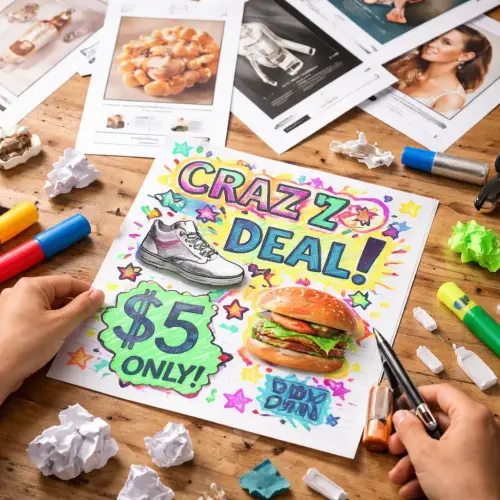
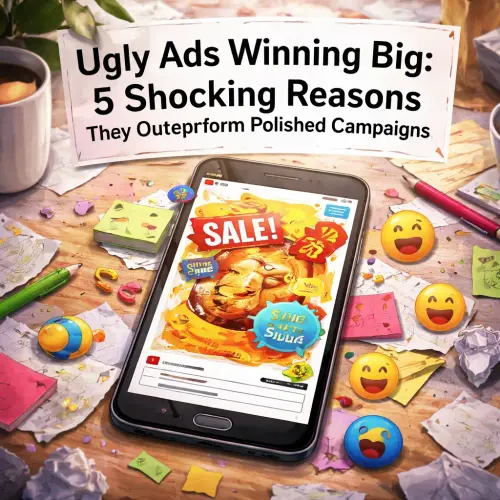
Before we dive into the data, let’s define the term. An “ugly ad” isn’t offensive or poorly conceived. It’s an ad that deliberately avoids the hallmarks of traditional polished advertising: professional lighting, flawless editing, scripted voiceovers, and stock photography. Instead, these ads use user-generated content aesthetics, jump cuts, raw audio, and often feature real employees or customers speaking naturally.
Think of the difference between a Super Bowl commercial and a TikTok from a mom-and-pop bakery. The latter is “ugly,” but it feels real. And that realness is exactly why ugly ads winning big on social media has become a dominant trend in 2025. For a related guide, see Community-First Marketing Trends: 5 Proven Strategies for 2025.
Why Ugly Ads Are Winning Big on Social Media: 5 Key Drivers
1. Authenticity Beats Polish Every Time
Consumers have been bombarded with high-budget ads for decades. They’ve developed a kind of “ad blindness” to anything that looks too produced. Ugly ads break through that filter. When someone sees a shaky, poorly lit video of a founder explaining a product, their brain registers it as more trustworthy. It feels like a recommendation from a friend rather than a sales pitch.
Studies from Google’s Think with Google confirm that ads perceived as authentic drive 2x higher brand recall. Ugly ads naturally signal that authenticity, which is why they outperform polished alternatives in click-through rates and conversion.
2. The Algorithm Loves Native-Looking Content
Social media platforms like TikTok, Instagram Reels, and even Facebook prioritize content that looks native to the platform. A polished, wide-screen video shot on a cinema camera feels foreign in a feed of vertical, user-generated clips. The algorithm interprets this as lower quality and limits its reach. Ugly ads, on the other hand, blend in seamlessly. They get shown to more people because they match the format and style the algorithm was trained to prefer. For a related guide, see Employee-Generated Content Boosts Brand Trust: 3 Proven Benefits.
This is a core reason why ugly ads winning big on social media isn’t just a trend—it’s a structural advantage. Lower production cost plus higher organic reach equals a massively better ROI.
3. Faster Iteration and Cheaper Testing
Producing a polished ad takes weeks. You need a shoot, edits, approvals, and revisions. Ugly ads can be shot, edited, and launched within hours. This speed allows marketers to test multiple angles, hooks, and offers simultaneously. If one ugly ad flops, you simply shoot another. This rapid experimentation cycle is impossible with high-budget creative.
Brands that adopt this approach see a 30-40% reduction in cost per acquisition simply because they can kill poor performers faster and double down on winners.
4. Relatability Drives Engagement
Ugly ads often feature real people in real environments. A messy desk, a coffee cup in frame, a candid laugh. These imperfections make the ad feel human. When viewers see themselves in the ad, they are more likely to comment, share, and engage. Engagement signals tell the algorithm to push the ad to even more users, creating a virtuous loop.
5. Lower Barrier to Entry for Small Brands
Smaller businesses used to struggle to compete with big brands on ad quality. Ugly ads level the playing field. A $50 ad shot on a smartphone can now outperform a $50,000 production if the message resonates. This democratization of advertising is a major factor in why ugly ads winning big on social media is a lasting shift, not a passing fad.
Real-World Examples of Ugly Ads That Crushed It
Example 1: The CEO Raw Video
A DTC supplement brand posted a 60-second video of its CEO talking directly to the camera from his home office, no script, no cuts. The video had a grainy quality and background noise from a fan. It generated 4x the click-through rate of their previous polished studio ads. The CEO later said the “ugly” ad cost nothing and brought in six figures in revenue.
Example 2: User-Generated Style Ads
A skincare brand created ads using only customer iPhone footage, complete with bad lighting and unboxing sounds. These ads had a 2.5x higher conversion rate than their professional product shots. The key was that the footage looked like something a friend would send, not something a brand would manufacture.
Ugly Ads vs. Polished Ads: A Comparison
| Factor | Ugly Ads | Polished Ads |
|---|---|---|
| Production Cost | Low ($0 – $500) | High ($5,000 – $100,000+) |
| Production Time | Hours to 1 day | Weeks to months |
| Authenticity Signal | High | Low to moderate |
| Algorithm Friendliness | High (looks native) | Low (looks like an ad) |
| Scalability | Easy to iterate and scale | Difficult to iterate |
| Brand Trust Perception | High | Mixed (can feel inauthentic) |
| Best Use Case | Social media, performance marketing | TV, brand awareness, premium contexts |
Common Mistakes When Running Ugly Ads
Jumping on the ugly ad trend without strategy can backfire. Here are missteps to avoid:
- Confusing ugly with sloppy. Ugly ads still need a clear hook, offer, and call to action. Authenticity isn’t an excuse for incoherence.
- Ignoring audio quality. Bad audio is the #1 reason people scroll past. Use a cheap lavalier mic if possible.
- Forgetting the platform context. What works on TikTok may feel too chaotic on LinkedIn. Adapt your “ugly” style to the platform culture.
- Overthinking it. The whole point is speed and authenticity. Don’t spend days trying to make an “ugly” ad look artificially raw.
How to Start Creating Ugly Ads That Work
If you’re ready to tap into why ugly ads winning big on social media, here’s a simple framework:
Step 1: Use Your Smartphone and Natural Light
No fancy cameras needed. Shoot in portrait mode. Use window light or a desk lamp. Imperfect lighting actually adds to the authentic vibe.
Step 2: Write a Simple Script (Then Throw It Away)
Know your three key points, but speak naturally. Reading from a teleprompter kills the “ugly” charm. Stumble, pause, laugh. That’s gold.
Step 3: Edit With Built-In Tools
Use CapCut, InShot, or even TikTok’s own editor. Add captions for accessibility. Keep cuts quick and don’t over-polish.
Step 4: Test Multiple Versions
Since production is cheap, create 5-10 variations of your ugly ad. Test different hooks, CTAs, and even different speakers. Let the data tell you which “ugly” version resonates most.
Useful Resources
For more on the psychology behind authentic advertising, check out Neil Patel’s analysis of ugly ads. For a deeper dive into algorithm preferences, see Buffer’s guide on social media algorithms.
Frequently Asked Questions About ugly ads winning big on social media
What are ugly ads in social media marketing?
Ugly ads are intentionally unpolished creatives that use raw footage, natural lighting, unscripted dialogue, and lo-fi editing to appear authentic and native to social feeds.
Why do ugly ads perform better than polished ads?
They feel authentic, bypass ad blindness, blend into native content, and generate higher engagement, which signals the algorithm to show them to more people.
Do ugly ads work on all social media platforms?
They work best on TikTok, Instagram Reels, and Facebook. LinkedIn and Pinterest may require a slightly more polished version depending on the audience.
Are ugly ads just for small brands?
No. Major brands like Duolingo, Liquid Death, and Gymshark regularly use ugly ad styles to connect with younger audiences.
Can ugly ads hurt my brand image?
If your brand positions itself as luxury or premium, ugly ads may feel inconsistent. Use them strategically for performance campaigns, not your flagship brand content.
How much does it cost to make an ugly ad?
Typically nothing if you use a smartphone and free editing apps. Some brands add a cheap microphone for $20-50 to improve audio quality.
What equipment do I need for ugly ads ?
Just a smartphone with a decent camera, natural light or a desk lamp, and a free editing app like CapCut or InShot.
How long should an ugly ad be?
15-30 seconds works best for most platforms. Longer formats (60 seconds) can work if the content is engaging and value-packed.
Do ugly ads have higher click-through rates?
Many brands report 2-4x higher CTR compared to their polished ads, especially when the ad feels relatable and authentic.
What is the algorithm advantage of ugly ads ?
Social media algorithms prioritize content that looks like what users normally post. Ugly ads match that native style and get more organic reach.
Should I use actors in ugly ads ?
Not necessarily. Real employees, founders, or customers often perform better because their genuine tone is harder to fake.
How many versions of an ugly ad should I test?
Aim for 5-10 variations focusing on different hooks, formats, and speakers. The low production cost makes extensive testing practical.
What is the difference between ugly ads and low-quality ads?
Ugly ads are strategically unpolished with a clear message. Low-quality ads are poorly produced with no strategy. The difference is intentionality.
Can I repurpose content for ugly ads ?
Yes. Existing UGC, behind-the-scenes clips, or raw footage from events can be edited into effective ugly ads with minimal effort.
Do ugly ads work for B2B?
Yes, especially on LinkedIn and Twitter. B2B buyers appreciate real insights from real people rather than corporate-crafted messaging.
How do I measure the success of ugly ads ?
Track CTR, conversion rate, cost per acquisition, and engagement rate. Compare these metrics against your polished ad benchmarks.
Should I use captions in ugly ads ?
Yes. Many users watch without sound, and on-screen captions improve accessibility and retention. Use native caption tools.
What is the biggest mistake with ugly ads ?
Lack of a clear value proposition. Ugly execution must still communicate why someone should buy or click. Don’t let raw style overshadow the message.
Can ugly ads be used for retargeting?
Absolutely. In fact, retargeting with ugly ads often performs better because the raw style reinforces a sense of direct communication.
Are ugly ads here to stay?
Yes. As audiences continue to crave authenticity and algorithms favor native content, the ugly ad format will remain a core performance marketing strategy.