social media burnout trends Key Takeaways
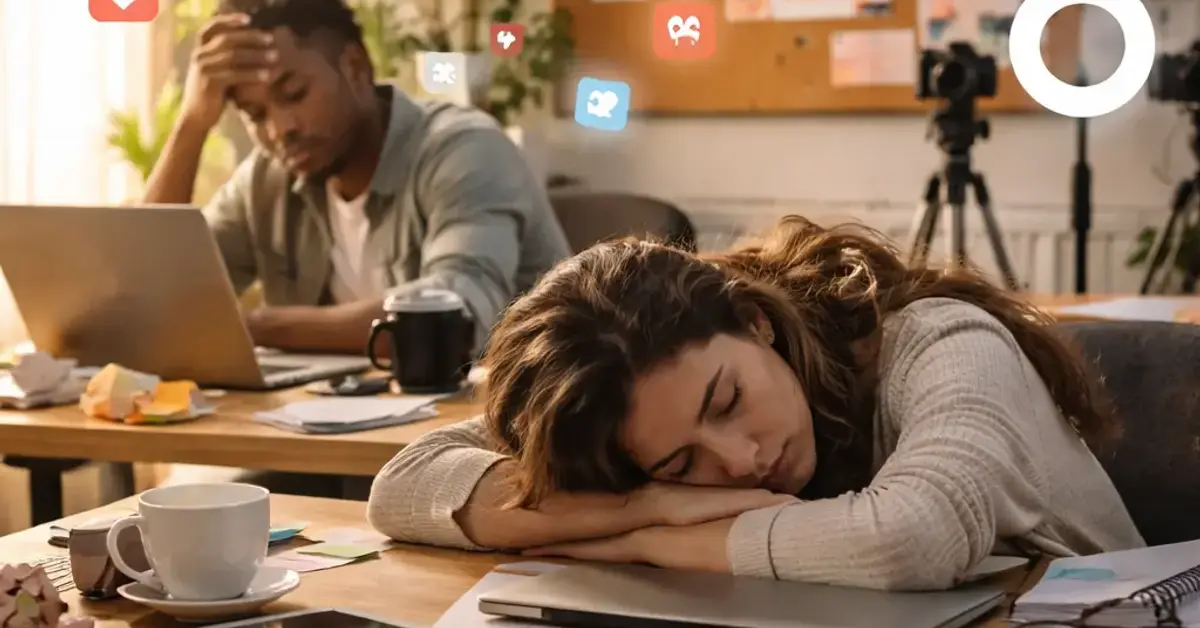
Social media burnout is accelerating in 2026 as creators and marketers face relentless algorithm changes, rising content demands, and diminishing returns on engagement.
- Constant algorithm tweaks force creators to produce more content with less certainty, fueling social media burnout trends like platform fatigue.
- Monetization pressure and the rise of AI-generated content are making it harder for human creators to stand out without sacrificing mental health.
- Strategic boundary-setting — such as scheduled offline days and content batching — can reverse burnout and restore productivity for marketers.
Understanding the 2026 Landscape of Social Media Burnout Trends
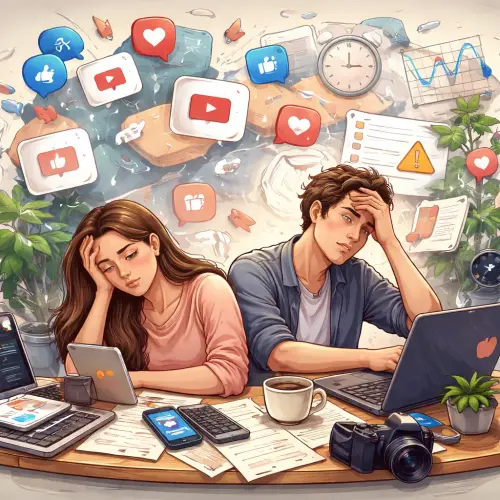
Social media burnout trends in 2026 reflect a deeper crisis among creators and marketers who feel trapped in a cycle of overproduction, low reward, and personal depletion. The platforms we rely on for income and influence are now the same sources of exhaustion, with 73% of full-time creators reporting severe burnout symptoms according to a 2025 Creator Economy study. This shift demands new coping strategies and industry-wide changes. For a related guide, see 12 Essential Influencer Transparency Trends Brands Must Watch in 2026.
1. The “Always-On” Algorithm Demands
Platforms like Instagram, TikTok, and YouTube now reward daily or even hourly posting. Creators feel pressured to be present at all times, leading to digital well-being for marketers becoming a rare luxury. The constant monitoring of analytics and engagement metrics leaves little room for rest.
Why It Exhausts Creators
Algorithms prioritize fresh content, so one day offline can tank reach. Marketers report losing 40% of impressions after a 48-hour pause. This creates a fear-driven posting schedule that erodes mental health.
2. Monetization Uncertainty Across Platforms
Revenue streams are drying up or becoming unpredictable. Ad revenue sharing on YouTube dropped 18% in early 2026, while TikTok’s Creator Fund restructuring caused payment delays. Social media fatigue solutions now often involve diversifying income rather than relying on one platform.
The Impact on Mental Health
When creators can’t predict monthly earnings, anxiety spikes. Many report working 60-hour weeks just to maintain previous income levels, a key driver of burnout.
3. AI Content Overload and Competition
AI-generated videos, images, and captions flood feeds, forcing human creators to produce more elaborate, high-production content to stay visible. This amplifies 2026 trends for creators where human uniqueness is commodified.
How Creators Are Fighting Back
Successful creators now emphasize authenticity — behind-the-scenes clips, raw storytelling, and personal interaction — to differentiate from AI content. Still, the pressure to maintain quality volume remains.
4. Creator Burnout in the Short-Form Video Era
Short-form video dominates, but creating daily Reels, TikTok clips, and YouTube Shorts demands relentless creativity. Studies show that creators who post 5+ short-form videos per week report 2x higher burnout rates.
Batching as a Solution
Content batching — filming one day a week — reduces screen time without sacrificing output. This practical social media fatigue solution helps maintain consistency without daily stress.
5. The Rise of Digital Detox Movements
Contradicting the pressure to stay online, a growing number of creators and marketers are embracing digital detox trends. In 2026, “offline Sundays” and “platform-free months” are becoming common practices among top creators.
Industry Reactions
Platforms like Instagram are testing “quiet mode” for creators, allowing scheduled breaks without penalty. This trend represents a major shift in digital well-being for marketers policies.
6. Comparison Culture Fueling Insecurity
Endless scrolling exposes creators to curated perfection from peers and competitors. This comparison loop intensifies feelings of inadequacy, especially when others seem to grow faster. Social media burnout trends now include “comparison fatigue” as a recognized syndrome.
Practical Boundary Setting
Limiting consumption — using app timers or unfollowing accounts that trigger envy — can reduce comparison stress. Creators who focus on their own metrics report lower burnout.
7. Multitasking Between Platforms
Marketers now manage 4–6 platforms simultaneously for brand campaigns. Each platform requires unique formatting, tone, and posting schedules, leading to cognitive overload and reduced effectiveness.
Time Management Tactics
Using scheduling tools like Buffer or Hootsuite for bulk planning and cross-platform analytics reduces the mental load. This is a core social media fatigue solution for busy teams.
8. Economic Pressure and Layoffs in Social Media Teams
Tech layoffs in 2025–2026 have slimmed down marketing teams. Social media managers now handle the workload of three people. This economic-driven 2026 trend for creators forces individuals to overcommit.
When to Say No
Learning to decline additional projects or request equitably distributed workloads is essential for long-term career survival.
9. Burnout from Algorithm Shadowbanning
Unpredictable reach drops — often without explanation — cause creators to obsessively tweak content. This chasing of algorithmic approval leads to wasted time and emotional exhaustion.
Platform Accountability Hesitates
Platforms rarely disclose shadowban criteria, leaving creators in the dark. Diversifying to email newsletters and owned websites reduces reliance on any single algorithm.
10. The Push for Authenticity vs. Performance
Audiences demand raw, authentic content, yet platforms reward polished, high-production posts. This contradiction forces creators into performative authenticity — draining and unsustainable.
Embracing Imperfection
Brands that accept low-fidelity content — like phone-shot videos — report higher engagement and lower creator burnout. Letting go of perfectionism is the final frontier in social media burnout trends mitigation. For a related guide, see Social Media Trends for Modern Brands in 2026: What Really Matters Now.
Useful Resources
Explore more strategies for managing digital well-being and platform demands:
- American Psychological Association — Burnout Prevention Guide — Expert advice on recognizing and addressing burnout in high-pressure environments.
- Buffer — Social Media Burnout Resources — Practical tips for scheduling, community management, and mental health protection for marketers.
Conclusion: Reclaiming Your Energy in 2026
Social media burnout trends are not a sign of weakness — they are a signal that the current system is broken. By adopting digital well-being for marketers practices like content batching, platform diversification, and regular offline periods, you can thrive without sacrificing your health. The key is to work smarter, not harder, and to remember that your worth is not measured in likes or shares.
Call to action: Ready to break the burnout cycle? Start today by scheduling a 24-hour digital detox this weekend, then revisit your content schedule with these strategies in mind. Your future self will thank you.
Frequently Asked Questions About social media burnout trends
What is social media burnout in 2026?
Social media burnout in 2026 refers to physical and mental exhaustion from constant content creation, algorithm anxiety, and low perceived returns on time invested. It now affects over 70% of full-time creators and marketers.
What are the main causes of social media burnout for creators?
Key causes include algorithm pressure to post daily, monetization instability, AI-generated competition, and the emotional toll of comparison culture. Multitasking across platforms also contributes.
How can marketers prevent burnout in 2026?
Marketers can prevent burnout by setting firm boundaries — like no work after 6 PM — using scheduling tools, batching content, and focusing on a manageable set of platforms rather than trying to do everything.
Is social media burnout different from general burnout?
Yes, social media burnout includes unique triggers like algorithm anxiety, shadowbanning stress, and the pressure to maintain a constant online presence. It overlaps with general burnout but has distinct digital components.
What are digital well-being strategies for marketers?
Strategies include scheduled offline hours, weekly digital detox days, app usage limits, and using tools that manage screen time. Many marketers now rely on mindfulness apps alongside tracking studies.
Are there specific 2026 trends for creators to watch?
Yes — key trends include AI content saturation, short-form video dominance, monetization uncertainty, and the rise of digital detox movements. Creators who adapt by focusing on authenticity and niche audiences fare better.
What is the best social media fatigue solution for 2026?
There is no single solution, but content batching, platform diversification, and setting strict screen time limits are among the most effective strategies. Combining several approaches yields the best results.
Can AI tools help reduce burnout?
AI tools can assist with idea generation and caption writing, but overreliance on AI can increase burnout if it leads to more content demands. Use AI strategically, not as a replacement for rest.
How do layoffs affect social media burnout ?
Layoffs in marketing teams force remaining staff to take on multiple roles, increasing workload and stress. This economic pressure is a major contributor to burnout in 2026.
What role does monetization play in burnout?
Unpredictable income from ads, affiliates, and creator funds creates financial anxiety, which compounds creative exhaustion. Diversifying revenue streams is a key burnout prevention strategy.
How does algorithm shadowbanning cause burnout?
Shadowbanning — when platforms limit reach without notice — forces creators to constantly adjust content to regain visibility. This unpredictable cycle leads to wasted effort and frustration.
Are digital detoxes effective for creators?
Yes, short digital detoxes can reset mental health, but long detoxes risk audience growth. Many creators now adopt partial breaks — like platform-free weekends — to balance well-being with career needs.
What is comparison fatigue in social media?
Comparison fatigue is the exhaustion from constantly measuring oneself against others’ curated lives and successes. It is a recognized aspect of social media burnout in 2026, especially among early-career creators.
Can outsourcing help reduce burnout?
Yes, outsourcing tasks like editing, scheduling, or community management can lighten the load. However, it requires budget and trust in others’ brand voice.
What are the signs that a creator is burned out?
Signs include chronic fatigue, decreased creativity, irritability, apathy toward content, frequent illness, and feeling like work is pointless. If you recognize these, it’s time to step back.
How can brands support creator well-being?
Brands can support creators by setting realistic deadlines, allowing creative freedom, paying fairly, and encouraging breaks. Long-term partnerships instead of one-off campaigns reduce financial pressure.
What tools help manage social media fatigue?
Tools like Buffer, Later, and Hootsuite simplify scheduling and analytics. Screen time trackers like Moment and Freedom help limit app usage. None replace human boundaries.
Is social media burnout permanent?
No, burnout is reversible with proactive changes. Many creators recover by adjusting their posting strategy, taking breaks, and prioritizing mental health over metrics.
Should creators leave social media platforms entirely?
Leaving completely is not necessary for most, but reducing platform reliance by building email lists, podcasts, or owned websites can provide stability and reduce burnout risk.
What is the most important takeaway from 2026 burnout trends?
The most important takeaway is that burnout is a systemic issue, not a personal failure. Creators and marketers must advocate for better industry standards while protecting their own mental health through strategic habits.