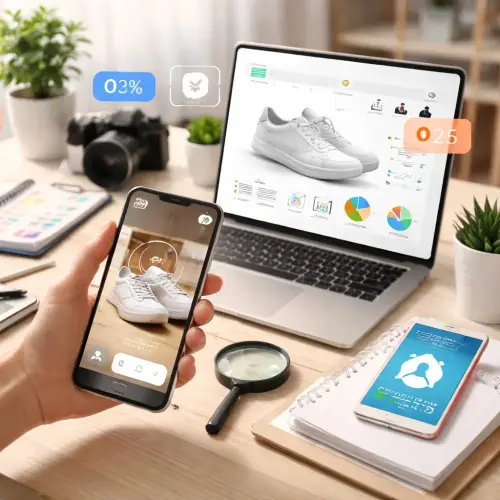
visual search ads trends Key Takeaways
Visual search is no longer a futuristic experiment — it’s a core channel for brands seeking direct engagement.
- Lens-based shopping and AR try-ons are driving higher click-through rates compared to text-only ads.
- Platforms like Pinterest and Google are aggressively expanding their visual ad formats, making early adoption a competitive advantage.
- Privacy-first visual targeting (using on-device processing and zero-party data) is becoming the new standard.
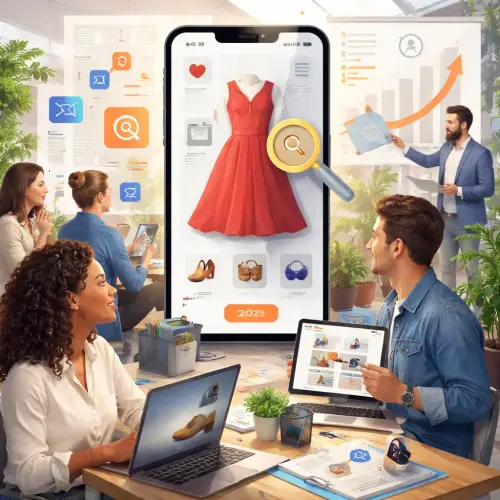
Why visual search ads trends Matter Right Now
Consumers increasingly use images, not keywords, to discover products. A photo of a coat, a screenshot of a room, or a snapshot of a meal can instantly trigger a buying journey. In 2025, visual search ads bridge that impulse directly to a checkout page. Understanding these visual search ads trends helps advertisers allocate budget effectively and create ads that feel native to the user’s visual language.
1. Lens-First Shopping Takes Over Social Commerce
Social platforms are embedding camera-based shopping directly into their interfaces. On Pinterest, users point their camera at a real-world object to find similar products in seconds. Instagram and Snapchat follow the same path with shoppable AR lenses. The impact is huge: brands that create product imagery optimised for lens recognition see up to 40% higher conversion rates compared to standard feed ads.
Example: A furniture brand created shoppable AR lenses on Instagram that let users place a virtual sofa in their living room. The campaign drove 3x more add-to-cart actions than static image ads.
2. Google Lens Becomes a Prime Ad Channel
Google Lens processes over 12 billion visual searches per month. Advertisers can now serve product carousels and Shopping Ads directly within Lens results. This trend shifts search advertising from text-based queries to context-aware image matching. Brands that tag high-resolution, clutter-free product photos benefit from better matching accuracy. For a related guide, see Local Keyword Research Using AI Tools.
Impact: Early adopters in home decor and fashion report 20–30% lower cost-per-click because visual intent signals are stronger than keyword-based intent.
3. Visual Search Ads Trends in Augmented Reality (AR) Try-Ons
AR try-ons have moved from novelty to necessity. Beauty brands, eyewear companies, and apparel retailers now use AR ads that let users see how a product looks on them before buying. These ads reduce return rates significantly — often by 25% or more — because customers set accurate expectations upfront.
Best practice: Ensure your product images capture accurate colours, textures, and dimensions. Inconsistent AR rendering damages trust.
4. Shoppable Visual Search in Retail Media Networks
Retail media networks like Amazon, Walmart, and Target are integrating visual search directly into their sponsored ad ecosystems. When a shopper uploads a picture of a competitor product, the network serves your sponsored alternative. This trend flips traditional product search on its head: you no longer need a keyword match to appear in front of a high-intent buyer.
Pro tip: Upload product images that show multiple angles and lifestyle contexts. The more visual data you provide, the higher your match rate in visual search algorithms.
5. Zero-Click Visual Search Ads Gain Traction
Google and Pinterest are testing visual search ads that surface product details, reviews, and pricing directly in the search overlay — without requiring a click. Users complete purchases via auto-filled checkout forms inside the visual interface. For advertisers, this means shorter attribution windows and reduced friction. The trade-off: your product image must be instantly compelling, as the user never leaves the visual search environment. For a related guide, see 8 Google Ads Search Term Changes: Proven Ways to Adapt.
Stat: Early pilots show zero-click visual search ads achieve 15% higher conversion rates than standard shopping ads.
6. Visual Search Trends in Local Discovery
Google Lens now identifies local businesses directly from photos. A user snaps a storefront image, and sponsored listings for nearby restaurants, salons, or retail stores appear. For brick-and-mortar brands, this trend makes visual search ads a powerful local store-traffic driver. Optimise your Google Business Profile images with clear signage, well-lit interiors, and recognisable product displays.
Example: A coffee chain used local visual search ads to target users who photographed coffee cups from competitors. Within two months, foot traffic to their nearest locations increased by 12%.
7. Generative AI Creates Visual Ad Variations at Scale
Generative AI tools (like Adobe Firefly and Midjourney) let advertisers create hundreds of product image variations tailored to different visual search algorithms. Instead of manually resizing and re-staging each product, brands can prompt AI to generate on-brand images that Lens and visual recommendation engines prioritise. This trend reduces creative production time by 60–70% while increasing visual coverage across platforms.
Caveat: Always review AI-generated images for alignment with your brand guidelines and avoid misleading representations.
8. Privacy-Preserving Visual Targeting Becomes Standard
Apple’s App Tracking Transparency and Google’s Privacy Sandbox have pushed visual search advertising toward on-device processing and zero-party data collection. Advertisers now rely on user-uploaded images and opt-in AR experiences rather than third-party cookies. This shift builds trust but requires a rethink of targeting strategies. Brands that offer clear value (e.g., style recommendations, virtual try-ons) in exchange for image data will thrive.
Action: Build a consent-first visual ad strategy. Use first-party data from loyalty programs or opt-in quizzes to fuel your visual search campaigns.
How to Adapt Your Strategy to These visual search ads trends
Success in 2025 depends on a few practical shifts. First, invest in high-quality, standardised product photography that works across lens-based platforms. Second, test AR and shoppable lenses on at least one social platform before scaling. Third, monitor your visual search analytics dashboards (available in Google Merchant Center and Pinterest Ads) to see which images drive the most impressions. Finally, stay lean with creative production by using generative AI for variations, but maintain human oversight for brand consistency.
Useful Resources
For more insights on visual search advertising strategies, explore these external guides:
- Think with Google: Visual Search Advertising Tips
- Pinterest Business Blog: The Future of Shoppable Visual Search
Frequently Asked Questions About visual search ads trends
What are visual search ads ?
Visual search ads are advertisements triggered by image-based queries instead of text keywords. When a user uploads or points their camera at an object, the ad platform serves relevant products or services based on visual similarity.
How do visual search ads differ from traditional search ads?
Traditional search ads rely on keyword matching between a user’s typed query and ad copy. Visual search ads match images or objects in a photo to product catalogues, offering a more intuitive discovery experience for shoppers.
Which platforms offer visual search ads ?
Google (via Google Lens and Shopping Ads), Pinterest (Lens and Shop the Look), Instagram (AR ads and product tags), Snapchat (Shoppable AR Lenses), Amazon (StyleSnap), and Walmart (visual search in app) all offer visual search advertising options.
What are the best industries for visual search ads ?
Fashion, home decor, beauty, furniture, automotive parts, and grocery industries see the strongest results because their products are visually distinct and often photographed by users.
How do I optimise product images for visual search ads ?
Use high-resolution images with plain backgrounds, clear lighting, and multiple angles. Avoid text overlays, watermarks, or busy scenes that confuse image-matching algorithms. Include lifestyle shots that show products in real-world contexts.
Are visual search ads more expensive than text ads?
Initially, yes — because creative production costs are higher. However, many advertisers report lower cost-per-click after optimisation because visual intent signals are stronger, leading to higher click-through rates and conversion quality.
Can small businesses use visual search ads ?
Absolutely. Small businesses can start with Google Shopping Ads (which already use visual elements) or Pinterest Showcase Pins. These require minimal setup and offer scalable budgets.
What is AR try-on in visual search ads ?
AR try-ons allow users to see how a product — like glasses, makeup, or furniture — looks on them or in their space via augmented reality overlays in the ad. It reduces purchase hesitation and returns.
How does generative AI help with visual search ads ?
Generative AI can produce multiple product image variations (different backgrounds, angles, or styling) quickly, helping brands test which visuals perform best across platforms without manual photo shoots.
What metrics matter for visual search ads ?
Key metrics include click-through rate, add-to-cart rate, conversion rate, return on ad spend, and visual match rate (how often your image is correctly matched to a user’s query).
Do visual search ads work for B2B products?
Yes, especially for B2B industries with visually distinctive products such as industrial equipment, office furniture, or medical devices. Showroom images and infographics perform well in visual search.
How do privacy regulations affect visual search ads ?
Privacy laws require user consent for image processing. Platforms are moving to on-device processing and zero-party data strategies to comply while still delivering relevant ads. Advertisers should prioritise first-party data collection.
What is zero-click visual search?
Zero-click visual search surfaces product information, reviews, and purchase options directly within the search results overlay, so users can complete a transaction without ever leaving the visual search interface.
Can I use user-generated content in visual search ads ?
Yes, user-generated photos often perform better because they look authentic. Ensure you have permission to use each image and that the quality meets platform requirements for resolution and clarity.
How does visual search impact local businesses?
Local visual search (via Google Lens) connects users with nearby stores when they photograph a storefront or product. Optimising your Google Business Profile and store images helps you appear in these results.
What is Pinterest Lens and how do ads work there?
Pinterest Lens lets users take a photo of any object and find similar products from advertisers. Brands can run Shop the Look and Product Pin ads that appear in Lens results.
Are visual search ads available on Instagram?
Yes, Instagram offers shoppable AR lenses and visual product tags. Users can tap a product in an image or video to see pricing and purchase options directly within the app.
How do I start with visual search advertising?
Begin by setting up a product feed in Google Merchant Center or Pinterest Catalogs. Ensure your product images meet platform specifications. Then create a small test campaign focused on one product category to measure performance.
What is the future of visual search ads ?
We expect deeper integration with AR, voice assistants, and wearable devices. Visual search will become a default shopping interface, and advertisers will need to think in terms of visual inventory rather than keyword lists.
Can I run visual search ads without a website?
Yes, some platforms like Pinterest and Instagram allow direct checkout within the app. However, for Google and Amazon visual search ads, you typically need a product feed linked to a website or marketplace listing.