micro-influencer marketing trends Key Takeaways
Micro-influencers—content creators with 1,000 to 100,000 highly engaged followers—are reshaping how brands connect with audiences.
- Long-term ambassador programs outperform one-off campaigns for micro-influencer marketing trends
- Niche platforms like Twitch and Discord are becoming key channels for micro-influencer partnerships
- Performance-based compensation models are replacing flat fees in modern influencer marketing strategies
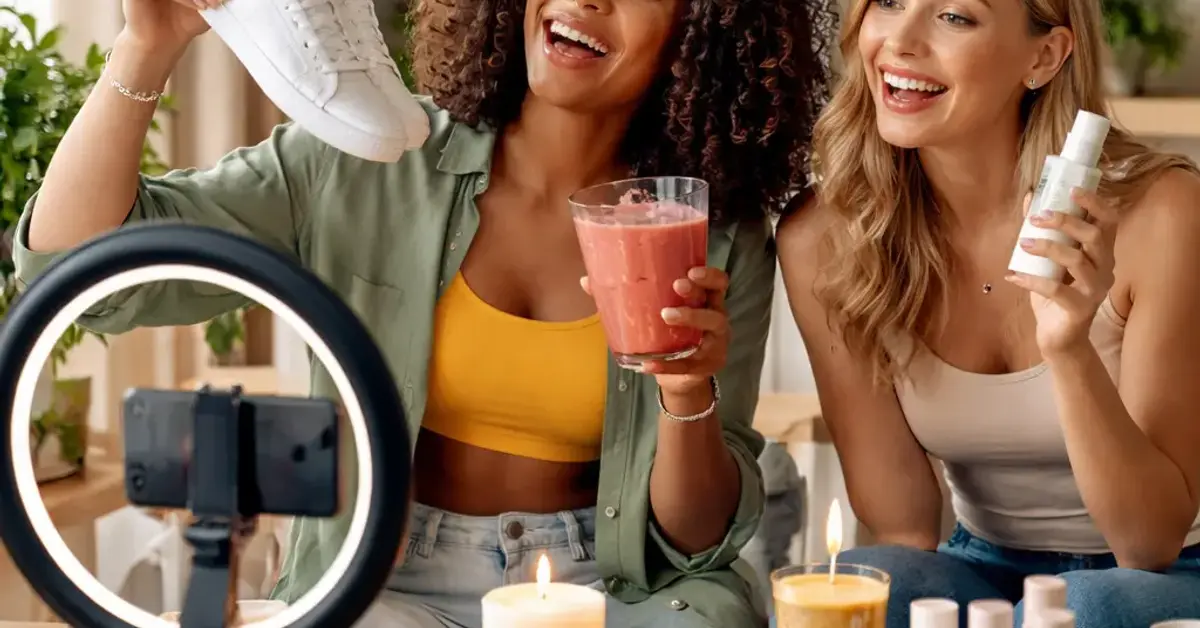
Why Brands Are Pivoting Toward micro-influencer marketing trends
The shift from celebrity endorsements to micro-influencer collaborations is not a passing fad—it is a strategic response to changing consumer trust patterns. Research shows that 82% of consumers are more likely to follow a recommendation from a micro-influencer than from a macro-influencer or traditional celebrity. This dynamic is driving the most talked-about micro-influencer marketing trends today. For a related guide, see 10 Proven UGC Advertising Strategies Outperforming Traditional Ads.
Authenticity Over Production Value
Consumers can spot a scripted ad from a mile away. Micro-influencers succeed because they create content that feels like a recommendation from a trusted friend. Brands that invest in influencer marketing strategies that prioritize raw, unpolished storytelling are seeing higher engagement rates and more meaningful conversations around their products.
Higher ROI and Lower Entry Costs
While a single post from a top-tier influencer can cost tens of thousands of dollars, brands investing in influencers at the micro level often spend between $100 and $500 per post. This cost efficiency allows brands to run diversified campaigns across multiple creators, reducing risk and increasing the chance of hitting a cultural nerve.
11 micro-influencer marketing trends Brands Are Investing In Right Now
We have identified the eleven most impactful micro-influencer marketing trends that forward-thinking brands are already scaling in their 2025 budgets. Each trend includes a brief explanation, the reason behind its traction, and actionable advice for your next campaign.
1. Long-Term Brand Ambassadorships
Rather than one-off posts, brands are signing micro-influencers to six-month or year-long contracts. This trend builds genuine affinity, as the influencer’s audience sees repeated authentic use of the product. Example: a skincare brand partnering with a micro-influencer for a full “skincare journey” series across four seasons. To leverage this, start with a paid trial month, then negotiate a longer commitment if engagement metrics are strong.
2. Niche Platform Expansion
Instagram and TikTok remain dominant, but micro-influencer trends now include platforms like Twitch for gaming creators, Discord for community management, and Pinterest for lifestyle niches. Brands investing in influencers on these platforms often experience lower competition and higher trust from hyper-focused audiences. Action: identify where your target audience already gathers (e.g., gaming communities on Twitch) and recruit micro-influencers active there.
3. Performance-Based Compensation Models
Flat fees are giving way to hybrid payment structures: a base fee plus a commission on sales or a bonus for hitting engagement benchmarks. This trend aligns influencer marketing strategies directly with ROI, making it easier for brands to measure success. If you are testing a new market, propose a revenue-share model to reduce upfront risk.
4. Co-Created Product Lines
Brands are inviting micro-influencers to co-design limited-edition products—from makeup palettes to coffee blends. This taps into the influencer’s creative authority and guarantees built-in demand from their audience. Example: a small-batch hot sauce brand collaborating with a food micro-influencer on a unique flavor. Start small: a limited run of 500 units with a pre-order campaign.
5. Data-Driven Influencer Selection
Rather than relying on follower counts, brands now use AI-powered tools to analyze engagement quality, audience overlap, and sentiment. This is one of the most significant micro-influencer marketing trends because it eliminates guesswork. Action: use platforms like Upfluence or HypeAuditor to vet potential partners before reaching out.
6. Micro-Influencer-Driven UGC Campaigns
User-generated content (UGC) campaigns led by micro-influencers are producing authentic, repurposable assets for brands. The influencer creates a template or challenge, and followers submit their own versions. This trend reduces content production costs while expanding organic reach. For best results, offer a small reward (e.g., discount code or feature on the brand’s social feed) for every submission. For a related guide, see 7 Reasons Creator-Led Ads Are Beating Traditional Campaigns.
7. Localized Community Marketing
Regional brands are partnering with micro-influencers who serve specific cities or neighborhoods. This is especially potent for brick-and-mortar businesses like restaurants, gyms, or boutiques. Example: a coffee shop in Portland partnering with five local micro-influencers for a “neighborhood passport” campaign. Brands investing in influencers at this hyperlocal level see strong foot traffic and word-of-mouth referrals.
8. Educational Content Partnerships
Instead of product reviews, brands are funding educational content—tutorials, how-to guides, and industry explainers—created by micro-influencers. This positions the brand as a helpful resource rather than a sales pitch. Example: a gardening supply brand paying a micro-influencer to create a series of short “how to start a vegetable patch” videos. This content has long shelf life and builds authority.
9. Micro-Influencer Takeovers
Letting a micro-influencer take over the brand’s social media account for a day or a week injects fresh personality and builds cross-audience engagement. It is one of the most cost-effective micro-influencer marketing trends because it requires no production budget beyond the influencer’s fee. Ensure the influencer creates a content calendar that balances promotional posts with genuine behind-the-scenes moments. For a related guide, see 8 Authentic Lo-Fi Content Strategies to Boost Social Media Engagement.
10. Values-Driven Campaigns
Consumers expect brands to stand for something. Micro-influencers who are passionate about sustainability, mental health, or social justice can help brands communicate authentic values. Example: a clothing brand partnering with a micro-influencer who specializes in sustainable fashion styling. The key is alignment—choose influencers whose values genuinely match your brand’s mission.
11. Direct Sales Through Affiliate Links and Promo Codes
While not new, this trend is becoming more sophisticated. Brands now provide micro-influencers with unique landing pages and trackable affiliate links, moving beyond simple discount codes. This allows precise measurement of each partner’s contribution to revenue. Action: set up a dedicated affiliate dashboard for your top ten micro-influencers and share performance insights monthly.
How to Build a micro-influencer marketing trends Strategy in 2025
Knowing the trends is only half the battle. To implement a successful campaign, brands need a repeatable framework that aligns with their goals, budget, and team capacity. Here is a step-by-step approach to capitalizing on the most impactful micro-influencer marketing trends.
Step 1: Define Your Ideal Micro-Influencer Profile
Start with audience demographics, content style, and values. Do not chase follower counts. Look for engagement rates above 3% and a comment section that shows real conversation, not just emojis. Use a scoring matrix: 40% engagement quality, 30% audience alignment, 20% content quality, 10% platform relevance.
Step 2: Start with a Pilot Campaign
Test the waters with three to five micro-influencers on a single platform. Run the campaign for four weeks. Measure not just sales but also sentiment, new follower growth, and content quality. Use the insights from this pilot to refine your recruitment criteria before scaling.
Step 3: Negotiate Transparent Contracts
Include sections on content usage rights, payment terms (base + performance bonus), disclosure requirements (FTC guidelines), and the exact number of deliverables. A clear contract prevents misunderstandings and protects both parties. For brands investing in influencers for the first time, a simple one-page agreement is sufficient.
Step 4: Co-Create Content Briefs
Provide creative direction but leave room for the influencer’s voice. A detailed brief should cover brand messaging pillars, non-negotiable points (e.g., safety disclaimers), and suggested call-to-action links. But let the influencer decide how to present the product in their own style—this is what makes micro-influencer content feel authentic.
Step 5: Track and Optimize Continuously
Use unique UTM parameters and promo codes for each influencer. Monitor metrics weekly: engagement rate, click-through rate, conversion rate, and cost per acquisition. If a partner underperforms in the first two weeks, consider pivoting the content approach or adjusting the offer rather than ending the contract immediately.
Useful Resources
Explore these authoritative sources to deepen your understanding of influencer marketing strategies and current micro-influencer marketing trends.
- Influencer Marketing Hub: Micro-Influencer Marketing Guide — Comprehensive statistics, case studies, and platform-specific advice for brands of all sizes.
- Tech.Co: Top Micro-Influencer Trends for 2025 — Curated list of emerging trends with expert commentary and real-world brand examples.
Frequently Asked Questions About micro-influencer marketing trends
What are micro-influencer marketing trends?
They are the emerging strategies and tactics brands use when partnering with micro-influencers—including long-term contracts, niche platforms, performance pay, and co-created products—to boost authenticity and ROI.
Why are brands investing in micro-influencers over celebrities?
Micro-influencers deliver higher engagement rates, lower cost per post, and stronger audience trust. Consumers perceive their recommendations as more authentic, which leads to better conversion metrics.
How many followers does a micro-influencer have?
Industry definitions vary, but the most common range is 1,000 to 100,000 followers. Some agencies set the upper limit at 50,000 for stricter niche targeting.
Which platforms are best for micro-influencer campaigns?
Instagram and TikTok remain leaders, but Twitch, YouTube, Pinterest, and LinkedIn are growing fast depending on your industry. The best platform is where your target audience already spends time.
How much do micro-influencers charge per post?
Rates vary by platform and niche. Average ranges are $100–$500 for Instagram posts, $200–$800 for TikTok videos, and $300–$1,000 for YouTube integrations. Micro-influencers with highly engaged audiences can sometimes charge a premium.
What is the ROI of micro-influencer marketing campaigns?
Studies show micro-influencer campaigns can generate an ROI of 5–6x, with some brands reporting up to 10x returns when campaigns are well-targeted and include performance-based incentives.
How do I find the right micro-influencer for my brand?
Use influencer discovery tools, search relevant hashtags on Instagram or TikTok, and review engagement quality. Look for creators who already use or show genuine interest in your product category.
Should I work with multiple micro-influencers at once?
Yes. Running a campaign with 5–15 micro-influencers simultaneously diversifies reach and reduces dependency on a single creator’s performance. It also helps you identify which influencer personas resonate best with your audience.
What is a micro-influencer ambassador program?
It is a long-term partnership where a micro-influencer represents the brand over several months or years, often with exclusive perks, early product access, and recurring content commitments. This fosters genuine brand loyalty.
How do I measure micro-influencer campaign success?
Track engagement rate, reach, click-through rate, conversion rate, cost per acquisition, and sentiment analysis. Use unique UTM links and promo codes for precise attribution.
Is micro-influencer marketing good for small businesses?
Absolutely. Low entry costs and high engagement make it ideal for small businesses with limited marketing budgets. Many local brands see rapid growth by partnering with micro-influencers in their region.
What is the difference between nano-influencers and micro-influencers?
Nano-influencers have 500–5,000 followers (very tight community). Micro-influencers range from 1,000 to 100,000. Micro-influencers strike a balance between reach and engagement, while nano-influencers offer the highest authenticity per follower.
Do micro-influencers need to disclose partnerships?
Yes. In most countries including the US (FTC) and UK (ASA), influencers must clearly label sponsored content with tags like #ad, #sponsored, or a platform-native disclosure tool. Brands should include this in the contract.
Can micro-influencers help with SEO?
Indirectly, yes. User-generated content from campaigns often includes backlinks, social signals, and branded content that can support search rankings. Additionally, micro-influencers may create blog posts or YouTube videos that rank for long-tail keywords.
What is a product gifting campaign for micro-influencers?
A strategy where brands send free products to micro-influencers without guaranteed content. The influencer chooses whether to post. It is low-cost but less predictable than paid partnerships. Works best for discovery-stage campaigns.
How do I handle negative content from a micro-influencer?
Address issues directly and professionally. Include a clause in your contract that covers content approval rights or an opt-out for content that misaligns with brand values. Most issues can be resolved with clear communication.
What’s the best time to run a micro-influencer campaign?
Align with seasonal peaks relevant to your product (holidays, back-to-school, summer). However, micro-influencer campaigns can also be effective year-round for evergreen products if you maintain a steady content cadence.
How do I onboard a micro-influencer effectively?
Send a welcome kit with project brief, brand guidelines, product samples, and a timeline. Schedule a 30-minute video call to align expectations and answer questions. Provide a single point of contact for ongoing support.
What content types work best for micro-influencer campaigns?
Tutorials, unboxings, day-in-the-life stories, before-and-after transformations, and honest reviews perform best. Short-form video on TikTok and Instagram Reels currently drives the highest engagement.
Are micro-influencer marketing trends different for B2B brands?
Yes. B2B micro-influencer strategies focus on LinkedIn thought leadership and industry-specific podcasts. The engagement metrics tend to be lower, but lead quality is higher. Long-term educational partnerships are particularly effective in B2B.