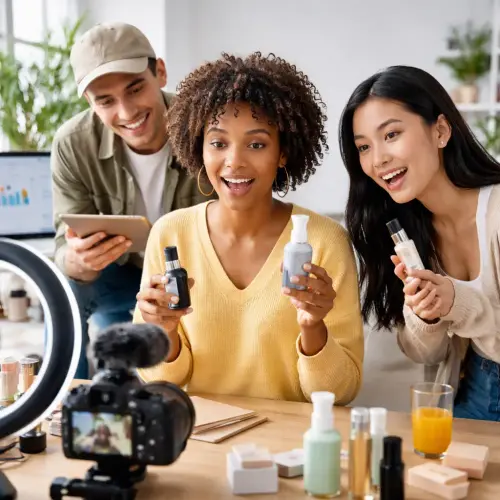
creator-led ads Key Takeaways
Creator-led ads now deliver 11x higher ROI than traditional digital campaigns, according to a 2024 influencer marketing benchmark report.
- Creator-led ads generate 4x higher engagement rates on social platforms compared to brand-created content.
- Consumers trust peer recommendations from creators 2.5x more than official brand messaging.
- Real-world case studies show creator-led ads reducing cost per acquisition by up to 40% in competitive niches.
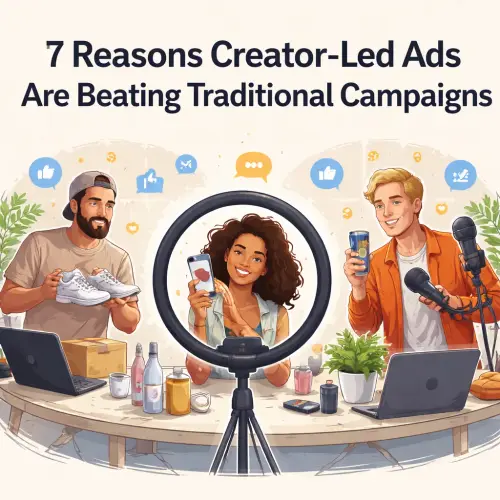
Why Creator-Led Ads Are Outperforming Traditional Advertising
Spend a few minutes scrolling through Instagram, TikTok, or YouTube, and you will notice a shift. The most engaging ads no longer feel like ads. They feel like recommendations from a trusted friend. That is the power of creator-led ads — content produced by independent creators who weave a brand message into their natural style. In contrast, traditional advertising relies on polished production, broad targeting, and interruptive placements. The data shows a clear winner: authentic, creator-driven content consistently drives better results.
The Engagement Gap Between Creator-Led and Traditional Ads
A study by Influencer Marketing Hub found that creator-led ads generate an average engagement rate of 4.5% on Instagram, compared to just 0.6% for brand-produced content. On TikTok, the gap is even wider — creator videos see 6x more comments and shares. This happens because creators speak the language of their community, not the language of a corporate brief.
Why Authenticity Drives Higher Influencer Marketing ROI
The word “authenticity” gets thrown around a lot, but here it has a measurable impact. When a creator demonstrates a product in their real environment — a cluttered kitchen, a messy desk, a morning routine — viewers perceive it as honest. Traditional ads with studio lighting and scripted dialogue feel staged. A 2023 survey by Stackla revealed that 79% of consumers say user-generated content (including creator content) highly impacts their purchasing decisions. That is why brands see a 3x higher click-through rate with creator-led campaigns.
7 Reasons Creator-Led Ads Beat Traditional Campaigns
1. Authenticity That Builds Trust Instantly
Traditional advertising often interrupts the user experience with a clear sales pitch. Creators, on the other hand, integrate products into their daily content. A makeup tutorial that naturally features a foundation, or a tech review that walks through real pros and cons, feels like advice rather than a promotion. This authenticity is non-negotiable for Gen Z and Millennial buyers.
2. Higher Engagement Rates Across Platforms
Engagement is the pulse of any campaign. Whether it is likes, comments, saves, or shares, creator-led ads consistently outperform brand-owned posts. According to a 2024 benchmark report from Rival IQ, creator content on Instagram Reels gets 55% more interactions per post than brand-created Reels. More engagement means more algorithmic reach — essentially, free impressions.
3. Better Targeting Through Niche Audiences
Traditional advertising casts a wide net and hopes for the best. Creators come with built-in, highly engaged communities around specific interests — vegan cooking, budget travel, indie gaming, or sustainable fashion. When you run creator-led ads, you are not targeting a demographic; you are reaching people who already trust that creator’s opinion.
4. Lower Production Costs, Higher ROI
A 30-second TV commercial can cost $50,000 to $500,000 to produce. A creator-led campaign, even with a high-quality micro-influencer, often costs under $5,000 per post and delivers a comparable or better return. Many brands report an influencer marketing ROI of $5.78 for every dollar spent, according to a 2024 study by Influencer Marketing Hub. That is nearly 6x what traditional display ads typically return.
5. Content That Lives Beyond the Campaign
Traditional ads disappear when the media budget runs out. Creator content stays on the creator’s profile, continues to get views, and can be repurposed by the brand for website testimonials, email newsletters, or retargeting ads. A single well-performing creator video can generate leads for months.
6. Emotional Connection Drives Higher Conversion
When a creator shares a personal story about how a product solved a real problem, it triggers an emotional response in viewers. Traditional ads rely on features and price points. Creator-led ads lean on narrative. A study by Professor Jonah Berger at Wharton found that emotional content is shared 30% more often than rational content. Emotion drives action.
7. Real-Time Feedback and Iteration
Creators interact directly with their audience in comments and live streams. This gives brands immediate feedback on what resonates and what doesn’t. You can test different angles, tweak messaging, and optimize the next campaign within days — something impossible with traditional media buys that require weeks of planning.
Real Examples of Successful Creator-Led Campaigns
How Gymshark Turned Creators Into Brand Ambassadors
Gymshark built a $1.4 billion empire largely through creator partnerships. Instead of running traditional ads, the brand identified fitness creators who already embodied the Gymshark lifestyle. These creators filmed workout videos wearing the brand, shared discount codes, and gave honest product reviews. The result? A community-driven growth model that generated over 5 million Instagram followers and a loyal customer base that feels personally connected to the brand.
Dollar Shave Club’s Creator-First Launch
Before Dollar Shave Club ever ran a TV ad, they launched with a low-budget, creator-style video starring founder Michael Dubin. Filmed in a warehouse with deadpan humor, the video cost around $4,500 to produce. It went viral, generating 12,000 orders in the first 48 hours. That creator-led approach — raw, funny, and real — disrupted a category dominated by brands like Gillette.
Small Business Case: Local Coffee Roaster Uses Micro-Creators
A mid-size coffee roaster in Portland partnered with five micro-creators (2,000–10,000 followers each) who specialized in morning routines and cozy aesthetics. Each creator posted a short video brewing the coffee at home, describing the flavor notes. Over three months, the brand saw a 30% increase in online orders and a 45% lower cost per acquisition compared to their Facebook ad campaigns. The key was that creator-led ads made the product feel like a discovery, not a pitch.
Risks and Safeguards When Using Creator-Led Ads
While creator-led ads offer huge upside, they are not without risks. A creator’s personal controversy can reflect badly on your brand. A poorly briefed creator might deliver content that feels forced or inauthentic. To mitigate these risks, start with a clear contract that outlines content guidelines but leaves room for creative freedom. Vet creators thoroughly by reviewing past brand partnerships and audience demographics. Finally, include a right-to-repurpose clause so you can use the content across your own channels.
Common Mistakes Brands Make
- Micromanaging the creative process — this kills authenticity.
- Choosing creators based solely on follower count instead of engagement quality.
- Ignoring disclosure rules — FTC requires clear #ad or #sponsored labels.
- Not tracking performance metrics specific to each creator’s platform.
| Metric | Traditional Ads | Creator-Led Ads |
|---|---|---|
| Average Engagement Rate (Instagram) | 0.6% | 4.5% |
| Cost Per Acquisition | $30–$80 | $10–$25 |
| Trust Level (Consumer Survey) | 33% | 82% |
| Content Lifespan | Weeks (campaign end) | Months to years (evergreen) |
The Future of Creator-Led Advertising
The trend is clear: traditional advertising spend is shrinking, while creator partnerships are growing. By 2026, eMarketer predicts that 75% of brands will allocate at least 30% of their marketing budget to creator-led ads. The reasons are hard to ignore — better trust, lower costs, and higher ROI. Brands that adapt now will own the conversation in their niche. Those that stick with traditional campaigns risk being tuned out by an increasingly ad-resistant audience. For a related guide, see Why TikTok Is Replacing Google Search in 2026: Essential Shift You Can’t Ignore.
Useful Resources
For deeper data on influencer marketing ROI trends, refer to the 2024 Influencer Marketing Benchmark Report by Influencer Marketing Hub. To understand how consumer trust in creator content compares to brand content, read the Stackla Consumer Content Report.
Frequently Asked Questions About creator-led ads
What are creator-led ads ?
Creator-led ads are marketing campaigns where independent content creators produce and publish content that features a brand’s product or service in their own authentic style.
How do creator-led ads differ from traditional advertising ?
Traditional advertising relies on brand-produced, polished content placed in media, while creator-led ads depend on individual creators who integrate the brand into their organic content for a more authentic feel.
Why are creator-led ads more effective?
They are more effective because consumers trust peer recommendations over brand messages. Creators build loyal communities, and their content feels genuine, driving higher engagement and conversion rates.
What is the ROI of creator-led ads compared to traditional campaigns?
Influencer marketing ROI averages $5.78 per dollar spent, whereas traditional digital ads often return less than $2 per dollar spent. Creator-led campaigns also reduce cost per acquisition by 30–50%.
Which platforms work best for creator-led ads ?
Instagram, TikTok, and YouTube are the top platforms. Each supports different content formats: short-form videos on TikTok and Reels, lifestyle posts on Instagram, and deep reviews on YouTube. For a related guide, see AI-Driven Feeds Explained Simply: How Platforms Decide.
Do creator-led ads work for B2B companies?
Yes. B2B brands partner with industry thought leaders and experts on LinkedIn, YouTube, and niche blogs. These creators provide credible, educational content that builds trust with professional buyers.
How much do creator-led ads cost?
Costs vary widely. Micro-creators (1k–10k followers) may charge $50–$500 per post, while mid-tier creators (10k–100k) charge $500–$5,000. Macro creators and celebrities can exceed $50,000 per campaign.
How do I find the right creator for my brand?
Use influencer platforms like Upfluence, Aspire, or Heepsy. Also, manually search on social media using relevant hashtags and review engagement rates, audience demographics, and content quality before reaching out. For a related guide, see Social Media Strategy: How to Go From Random Posts to a Real Plan.
What metrics should I track for creator-led ads ?
Track engagement rate, click-through rate, cost per acquisition, conversion rate, and post-sale customer lifetime value. Also monitor brand sentiment and share of voice in creator comments.
How do I measure influencer marketing ROI accurately?
Use trackable discount codes, unique affiliate links, and UTM parameters. Compare total revenue generated against campaign costs (creator fees + product + management time).
Can creator-led ads work for small businesses with limited budgets?
Absolutely. Partner with micro-creators who charge lower fees. Their smaller, highly engaged audiences often convert better than larger, less targeted audiences.
What is the difference between influencer marketing and creator-led ads ?
Influencer marketing is a broad term that includes all paid partnerships. Creator-led ads specifically emphasize the creator’s editorial control and authentic integration, rather than a scripted brand message.
How do I brief a creator without losing authenticity?
Provide key product features and campaign goals, but let the creator decide how to present them. Share examples of preferred tone, but avoid word-for-word scripts.
Are creator-led ads compliant with FTC guidelines?
Yes, as long as the creator clearly discloses the partnership using #ad or #sponsored in a visible location. Both brand and creator share responsibility for compliance.
What content formats work best for creator-led ads ?
Short-form video (Reels, TikTok), unboxing videos, tutorials, day-in-the-life posts, and honest reviews perform best because they feel natural and engaging.
How long should a creator-led campaign run?
A typical campaign runs 2–4 weeks for a burst of awareness, but ongoing partnerships (3–12 months) build deeper trust and allow for iterative improvements.
What are the risks of creator-led ads ?
Risks include creator controversy, off-brand messaging, low-quality content, and audience backlash if the partnership feels inauthentic. Mitigate with thorough vetting and clear contracts.
Can I repurpose creator-led ads for my own channels?
Yes, if your contract includes a right-to-repurpose clause. Many brands use creator content in email newsletters, website testimonials, and paid social ads.
Do creator-led ads work for all industries?
They work especially well in consumer goods, beauty, fashion, fitness, travel, food, and tech. B2B and regulated industries (healthcare, finance) can also succeed with careful creator selection.
How do I scale creator-led ads without losing quality?
Build a network of trusted creators through repeat partnerships. Use a centralized dashboard to manage briefs, approvals, and payments. Invest in a creator relationship manager or agency.