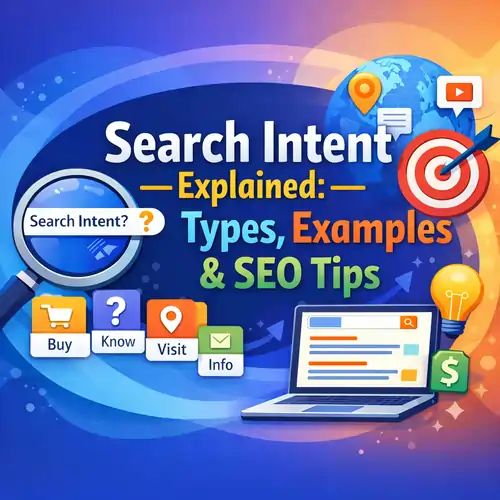
Search intent is the reason behind a user’s query and the foundation of modern SEO strategy, a concept consistently emphasized in search intent frameworks from platforms like Semrush’s search intent guide. By understanding search intent types—informational, navigational, transactional, and commercial investigation, the same four-category model used in Semrush keywords by intent documentation—you can create content that aligns with what users actually want. Matching user intent SEO improves rankings, engagement, and conversions because search engines prioritize relevance above all else, as explained in Backlinko’s search intent and SEO hub.
Introduction to Search Intent
In today’s evolving search engine optimization (SEO) landscape, ranking is no longer just about inserting keywords into content, which older SEO playbooks used to prioritize. Search engines—especially Google—have shifted toward understanding search intent, meaning they focus on why a user performs a search, not just what they type, a shift documented in modern guides like Semrush’s “What Is Search Intent?” and Search Engine Land’s search intent guide.
Search intent, also known as user intent or keyword intent, is the underlying goal behind a search query, matching the definition used in Ahrefs’ “What Is Search Intent?” glossary entry. It determines whether a user is trying to learn something, navigate to a specific page, compare options, or complete a purchase, which is why most SEO tools categorize keywords across informational, navigational, commercial, and transactional buckets in their intent reports. If your content does not align with search query intent, it will struggle to rank—even if your on-page SEO is technically strong—because Google’s core goal is to deliver the most relevant results that satisfy user needs, as highlighted throughout Backlinko’s Search Intent and SEO guide.
For a deeper breakdown of how this works in real SEO workflows, you can explore this pillar guide: What Is Search Intent? Keyword Types & SEO Strategy Guide
What Is Search Intent?
Search intent refers to the purpose behind a user’s search—the reason they type a query into Google—as clearly defined in Ahrefs’ “Search Intent in SEO” guide. It answers a critical question: what does the user want to achieve?ahrefs
Instead of focusing purely on keyword research, modern SEO emphasizes understanding the context behind those keywords, which is the core of semantic SEO and keyword intent analysis described in Semrush’s keyword intent overview and Ahrefs’ keyword intent article. This shift is part of semantic SEO, where meaning and intent matter more than exact keyword matches, and where tools now label and filter keywords by intent type inside their dashboards.
Search Intent Examples
- “what is SEO” → learning, or informational intent.
- “best SEO tools” → comparing, or commercial investigation intent.
- “buy SEO software” → action, or transactional intent.
How Search Engines Interpret Intent
Search engines analyze user behavior, query structure, historical data, and SERP patterns to interpret intent and rank content accordingly, a process explained in Search Engine Land’s guide.
Why Search Intent Matters in SEO
Google Prioritizes Relevance
Google ranks content based on how well it satisfies user intent rather than just keyword usage, which Ahrefs’ “Search Intent in SEO” guide underlines as a core principle for modern rankings. If your page doesn’t match intent, it won’t rank—even with backlinks or technical optimization—because matching intent is one of the primary signals that a page deserves page-one placement.
Better Rankings and Visibility
When your content aligns with search intent types, it becomes more relevant, increasing your chances of appearing on page one; Semrush’s search intent article and keyword intent overview show how intent-aligned pages consistently dominate the SERPs.
Improved User Experience
Users stay longer on pages that match their expectations, which reduces bounce rates and improves engagement signals, a behavioral pattern frequently cited in Backlinko’s SEO Marketing Hub.
Higher Conversions
Matching transactional keywords with the right landing pages leads to better conversion rates because users who search with bottom-of-funnel queries like “buy,” “order,” or “pricing” are closer to purchase, a point reinforced in Semrush’s commercial intent keywords guide.
Stronger Content Strategy
Understanding keyword intent analysis allows you to build a full-funnel content marketing strategy, mapping informational, commercial, and transactional queries to different stages of the user journey, as described in Semrush’s keyword intent guide and practitioner breakdowns on LinkedIn.linkedin+1
The 4 Types of Search Intent
Informational Intent
Informational intent is when users want to learn or understand something, aligning with the top-of-funnel stage in most SEO frameworks and matching the informational label in Semrush’s keywords by intent.
Examples of Informational Intent
- “what is search intent”
- “how to optimize content for SEO”
- “SEO best practices 2026”
Best Content Format
- Blog posts.
- Guides.
- Tutorials.
SEO Strategy
Use long-tail keywords, answer questions directly, and optimize for AEO by structuring content to win snippets and AI-powered summaries, which Search Engine Land’s search intent guide recommends for informational queries.
Navigational Intent
Navigational intent occurs when users want to visit a specific website, often typing brand or product names directly into the search bar, as described in Ahrefs’ “What is Search Intent?” glossary.
Examples of Navigational Intent
- “Facebook login”
- “Ahrefs site explorer”
- “Social Baddie SEO guide”
Best Content Format
- Homepage.
- Brand pages.
SEO Strategy
Optimize branded keywords and site structure so that your official pages dominate those navigational terms, a best practice echoed in Semrush’s keyword intent overview. Use structured data for better visibility when users search for exact brand or feature names, as recommended in Search Engine Land’s SEO hub.
Transactional Intent
Transactional intent indicates that the user is ready to take action, which is why these queries are treated as high buyer-intent terms in Semrush’s commercial intent keywords guide.
Examples of Transactional Intent
- “buy SEO tools online”
- “cheap hosting Philippines”
Best Content Format
- Product pages.
- Service pages.
SEO Strategy
Use CTAs, add trust signals such as reviews, guarantees, and security badges, and optimize for conversion rate optimization, tactics repeatedly mentioned in commercial intent keyword playbooks.
Commercial Investigation Intent
Users are researching before making a decision, sitting in the consideration stage between pure information and full transaction, which Semrush’s commercial intent guide describes as commercial investigation.
Examples of Commercial Intent
- “best SEO tools 2026”
- “Ahrefs vs SEMrush comparison”
Best Content Format
- Comparison articles.
- Reviews.
- Listicles.
SEO Strategy
Include pros and cons, provide real-world comparisons, and show side-by-side features and pricing, mirroring comparison templates used in resources like Backlinko’s search terms and buyer’s guides.
How to Identify Search Intent
Analyze SERPs
Search your keyword and examine top-ranking content, content format, and featured snippets because Google already reveals intent through SERPs, and Backlinko’s Search Intent and SEO guide recommends using page-one patterns to decide whether to create a guide, tool, product page, or comparison. Search Engine Land’s user intent guide further suggests checking SERP features like “People Also Ask” and related searches to refine that intent understanding.
Study Keyword Modifiers
Keywords often reveal intent. Terms like “how” and “what” usually signal informational intent, “buy” and “price” suggest transactional intent, and “best” and “review” often point to commercial intent. These modifiers are built into Semrush’s keyword intent guide and keyword labeling features.
Use SEO Tools
Tools like Ahrefs, Semrush, and Google Search Console help identify keyword intent and trends by tagging keywords with intent labels, showing SERP previews, and surfacing question-based queries. Ahrefs’ keyword intent playbook also shows how to find high-intent terms that bring in buyers, not just traffic.
Understand Search Behavior
Search engines analyze click patterns, dwell time, and engagement signals to refine intent interpretation, which is why Search Engine Land’s intent guide and Ahrefs’ glossary entry stress that satisfying user needs is more important than simply repeating a keyword.
Search Intent, NLP, and Semantic SEO
Modern SEO uses Natural Language Processing (NLP) to understand context, synonyms, and relationships between words, moving beyond exact match keywords and into topic-level coverage, which is reflected in Ahrefs’ search intent explanation. This means you should use semantic keywords, add LSI-style related phrases, and write naturally to help search engines recognize depth and relevance, an approach aligned with Semrush’s semantic keyword guidance.
Examples of Related Terms
- user intent SEO
- search query meaning
- content relevance SEO
- Google ranking factors
- semantic search optimization
- on-page SEO strategy
GEO and AEO Optimization
GEO
If your audience is location-based, include phrases like “SEO services Philippines” and “digital marketing Manila” to capture local search intent and support local visibility for region-specific queries, an approach discussed in Siteimprove’s search intent strategy guide.
AEO
To rank in featured snippets, voice search, and AI overviews, you must answer questions directly, use structured headings, and provide concise answers, which Search Engine Land’s search intent guide cites as key for informational and question-based queries.
Advanced SEO Tips
Match Content Format
If Google ranks listicles, create listicles; if it ranks in-depth guides, mirror that format, just as Backlinko’s search intent hub advises when reverse-engineering page-one content. Semrush’s “What Is Search Intent?” guide also suggests aligning with dominant content format as part of its optimization process.
Align With Funnel Stages
Top-funnel queries are usually informational, middle-funnel queries are commercial, and bottom-funnel queries are transactional, matching the way Semrush’s keyword intent framework connects content types to user journey stages.
Optimize Meta Tags
Include primary keywords naturally while signaling intent in your titles and descriptions, such as “guide,” “review,” or “pricing,” which intent-focused best-practice articles from Search Engine Land strongly recommend.
Internal Linking Strategy
Link related content to guide users and strengthen topical authority. Using your pillar content at https://socialbaddie.com/lab-notes/seo/what-is-search-intent/ also supports crawlability, aligning with hub-and-spoke internal linking strategies taught in Backlinko’s SEO Marketing Hub.
Update Content Regularly
Search intent evolves over time as SERPs, competitors, and user expectations change, so keeping content fresh is critical, a point reinforced in resources like Semrush’s search intent guide and Search Engine Land’s intent playbook.
Common Search Intent Mistakes
Intent Mismatch
Targeting the wrong intent is one of the most common SEO mistakes and often causes pages to underperform even when the keyword is relevant.
Ignoring SERP Analysis
Skipping SERP analysis makes it harder to understand what Google already considers the best match for a query.
Over-Optimizing Keywords
Overusing exact-match keywords without matching intent can reduce content quality and user satisfaction.
Format Mismatch
If users expect a comparison page and you publish a generic blog post, your page may struggle to rank.
Weak Internal Linking
Skipping internal links reduces topical connection, crawlability, and contextual guidance for users.
Frequently Asked Questions
What is search intent in SEO?
Search intent is the purpose behind a user’s query—the goal they want to achieve when they type a term into a search engine, matching the definitions used in Ahrefs’ search intent glossary and Backlinko’s search intent hub.
Why is search intent important?
It ensures your content matches what users want, which improves rankings, engagement, and often conversions, a relationship documented in Semrush’s commercial intent keywords guide and Siteimprove’s search intent ROI article.
What are the main types of search intent?
There are four main types: informational, navigational, transactional, and commercial, the same taxonomy adopted in Semrush’s search intent guide, Semrush’s keyword intent overview, and Ahrefs’ glossary.
How do I identify search intent?
Analyze SERPs and keyword modifiers, look at the content types ranking, and use SEO tools like Semrush and Ahrefs because they label keywords by intent and show SERP previews in their keyword research workflows.
What is informational intent?
It refers to users seeking knowledge, so blog content, guides, and tutorials work best for these queries, as described in Semrush’s search intent framework.
What is transactional intent?
Users are ready to take action; they want to buy or sign up, which is why product and service pages are ideal for transactional keywords, a point stressed in Semrush’s commercial intent keywords guide.
What is navigational intent?
Users want a specific website and already know the brand, so SEO should focus on visibility and ensuring the correct page appears for those branded or feature searches, matching the navigational examples in Ahrefs’ search intent glossary.
What is commercial intent?
Users are comparing options and are close to buying, so reviews, comparisons, and listicles help them decide between products or services, just like the examples in Semrush’s commercial intent guide.semrush
Disclaimer | Search Intent Explained
This content is for educational purposes only and is based on current SEO best practices, search intent analysis, and publicly available information from leading SEO resources such as Semrush’s search intent series, Backlinko’s SEO Marketing Hub, Ahrefs’ search intent materials, and Search Engine Land’s user intent guide.

